
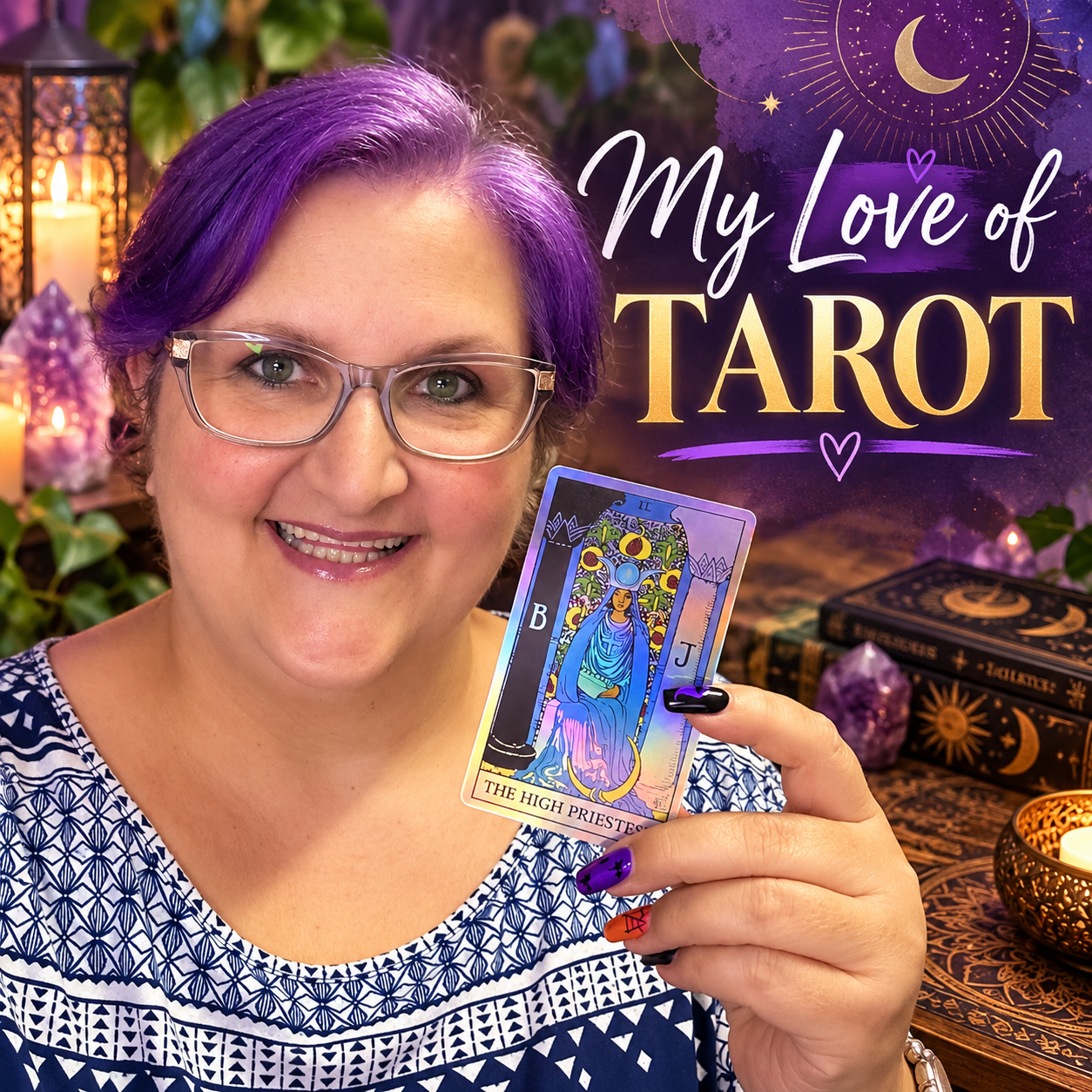

Why I love working with the Tarot
Let's talk about tarot for a moment.
If you've ever booked a tarot reading with me, you'll know that I love the way tarot can open up a conversation, shine a light on something you hadn't considered, or help you make sense of a situation that's been doing somersaults in your head. Sometimes, a reading confirms what you already suspected. Sometimes, it challenges your perspective. And occasionally, a card lands on the table, and you sit there thinking, "Well, that's uncomfortably accurate!"
But here's something I'd love you to consider.
What if you didn't have to wait for a reading to experience some of that insight for yourself?
What if you could pick up a deck of tarot cards, ask a question, and begin exploring what the cards might have to say about your life?
Before you panic, no, I'm not suggesting you cancel your next reading with me! There's a wonderful place for professional readings, and I love the work I do with my clients. But I also believe there's something quite beautiful about learning to work with tarot yourself.
And no, you don't need to be psychic, have a special gift bestowed upon you by the universe, or live in a house full of crystals with a cat named Merlin.
Although, if you do have a cat named Merlin, I imagine he'd be quite supportive.
Tarot Isn't About Knowing Everything. It's About Seeing More.
One of the biggest misconceptions about tarot is that you need to know exactly what every card means before you can begin.
You don't.
Yes, the cards have traditional meanings, symbolism, imagery and layers of interpretation. Learning these is part of what makes studying tarot so fascinating. But tarot is also a language of pictures, patterns, emotions and ideas. And here's where things get interesting.
Imagine drawing the Eight of Swords.
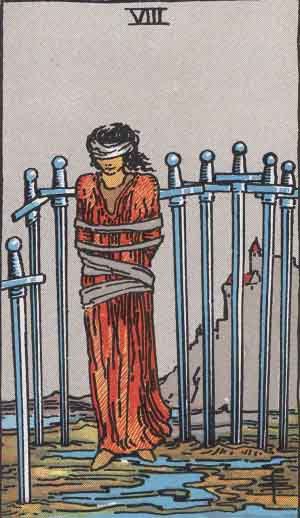
Traditionally, this card is associated with feeling restricted, trapped or limited by your circumstances. The figure in the card is blindfolded and surrounded by swords, apparently unable to move freely.
Now, look at that image for a moment..... What do you notice?
Perhaps you see someone who feels powerless. Perhaps you notice that the restrictions aren't quite as complete as they first appear. Maybe you find yourself wondering whether the blindfold represents something the person doesn't want to see.
And then you might ask yourself a question. Where in my life am I assuming I have no options when I haven't actually explored them?
Suddenly, this isn't just a card with a meaning you've memorised from a book. It's a conversation.
The card hasn't magically solved your problem. It hasn't told you what to do or guaranteed that everything will work out.
Instead, it has given you a different way of looking at something.
And sometimes, that's precisely what we need.
The Things We Miss When We're Too Close to Our Own Lives
Have you ever given a friend some really good advice, only to realise that you're doing exactly the same thing you're advising them not to do?
Of course you have. We've all been there!
It's remarkably easy to see things clearly when we're looking at somebody else's situation. We can recognise patterns, spot opportunities and ask sensible questions. But when we're dealing with our own lives, emotions tend to get involved.
We worry. We overthink. We make assumptions. We replay conversations. We convince ourselves that we know what someone else is thinking, even though we haven't actually asked them. And sometimes, we become so focused on what we want to happen that we struggle to see what's actually happening.
This is where reading tarot for yourself can be incredibly useful.
The cards give you something outside your usual train of thought to engage with. They invite you to pause, consider a different perspective and explore possibilities you might otherwise overlook.
Let's say you're unhappy at work. You could spend hours asking yourself whether you should resign, whether your boss appreciates you, whether a better opportunity is coming, or whether you should simply stick it out until retirement. Or you could draw a few cards and ask:
What am I no longer finding fulfilling in my current situation?
What strengths am I overlooking?
What practical step could I take to improve things?
Notice the difference?
You're not asking the cards to make the decision for you. You're using them to explore your own thoughts, recognise your resources and identify where you might have more agency than you realise. Perhaps you discover that you don't actually hate your job. You're simply exhausted and need better boundaries. Perhaps you realise that you've been waiting for somebody to recognise your abilities instead of taking the initiative yourself. Or perhaps you discover that it's genuinely time for a change. The cards haven't done the work for you. They've helped you ask better questions.
And better questions can lead to much better decisions.
The Magic Is in the Nuance
One of the things I love most about tarot is that the cards are rarely as simple as they first appear.
Take the Death card, for example.
It's probably one of the most misunderstood cards in the deck. Despite its dramatic name, it generally speaks to endings, transitions, transformation and the need to allow something to change.
Now imagine drawing Death alongside the Four of Pentacles, a card often associated with holding on, protecting what we have and resisting change.
Together, these cards might invite you to consider where you're clinging to something that has already served its purpose. Perhaps it's a relationship dynamic. Perhaps it's an outdated belief about yourself. Perhaps it's the familiar routine you've outgrown but are reluctant to leave because, well, at least you know what to expect.
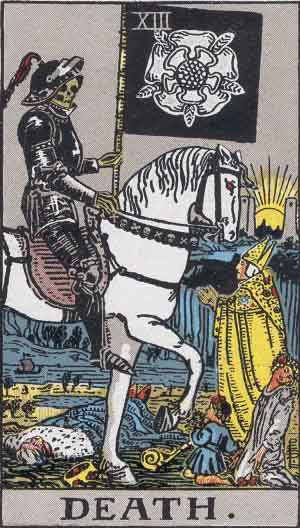
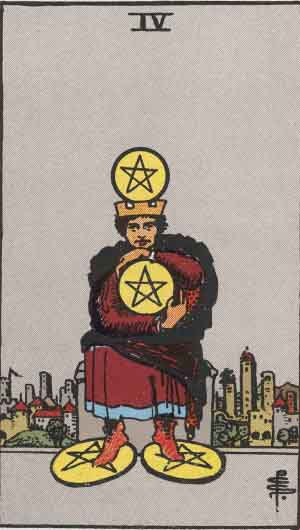
Individually, each card has its own story. Together, they create a conversation with a little more depth.
And that's just the beginning.
The position of a card in a spread matters. The cards surrounding it matter. The question you've asked matters. Even the details in the artwork that catch your attention can open up an entirely new line of thought. Two cards that appear contradictory might actually reveal an important tension in your life. A card that initially seems negative might highlight a strength you haven't recognised. And a card you've seen a hundred times before might suddenly make perfect sense in the context of something you're experiencing today.
Tarot isn't simply about knowing what the cards mean. It's about understanding how their meanings interact, what they reveal in a particular situation, and which questions they encourage you to ask.
This is one of the reasons I find tarot so endlessly fascinating. The more you learn, the more there is to explore.
You Don't Need to Be Psychic to Read Tarot
Let me clear something up.
You don't need to be psychic to learn tarot.
You don't need to have visions, hear messages from Spirit or experience extraordinary intuitive moments. You can begin with nothing more than curiosity and a willingness to learn. Start by learning the cards. Pay attention to their symbolism. Notice the feelings and ideas their imagery evokes. Practice putting the pieces together.
Over time, you may find that your intuition becomes more noticeable. You might recognise patterns more readily, make connections you hadn't considered, or discover that your first impression of a card often has something valuable to offer. That's part of the beauty of learning tarot. It can become a way of developing your relationship with your own intuition, whether you approach it spiritually, psychologically, creatively or through a combination of all three. And you don't have to choose just one approach.
For some people, tarot is a spiritual practice. For others, it's a tool for reflection and personal development. Some people enjoy the symbolism and history, while others love the challenge of interpreting a spread. There's room for all of that. You can be practical and spiritual. You can be curious and sceptical. You can appreciate the mystery without abandoning common sense. In fact, I think a healthy dose of common sense makes for a much better tarot reader!
But Can You Really Read for Yourself?
Absolutely. With one small caution.
Reading for yourself can be wonderfully insightful, but it can also be tricky when you're emotionally invested in the answer. If you're desperate for a particular relationship to work out, you might interpret every card as evidence that it will. If you're terrified of losing your job, you might see a perfectly ordinary card as confirmation that disaster is imminent. And if you keep shuffling and drawing cards until you finally get the answer you want, congratulations! You've discovered how to give yourself a tarot reading that tells you absolutely nothing useful.
We've all been tempted to look for the answer we'd prefer. The trick is learning to recognise when you're doing it. That's why I encourage a thoughtful, grounded approach to tarot. Ask clear questions. Give yourself time to reflect. Be willing to consider interpretations that challenge your assumptions.
And remember that tarot should support your ability to make decisions, not replace it.
The cards don't remove your responsibility for your choices, and they shouldn't become a substitute for professional advice when you're dealing with matters such as your health, finances or legal affairs. Used thoughtfully, however, tarot can be a wonderful companion when you're trying to understand yourself and navigate life's many twists and turns.
Imagine Starting Your Day with a Little Tarot
Here's something practical you could try.
You don't need a complicated spread or an hour of meditation. You don't even need to have a particular problem to solve. Simply draw one card each morning. Look at the image before reaching for a book or searching online for its meaning.
What catches your attention?
What mood does the card create?
Does it remind you of something you're dealing with, something you've been avoiding, or something you'd like to approach differently?
Then ask yourself: What could I take from this card and put into practice today?
That's it.
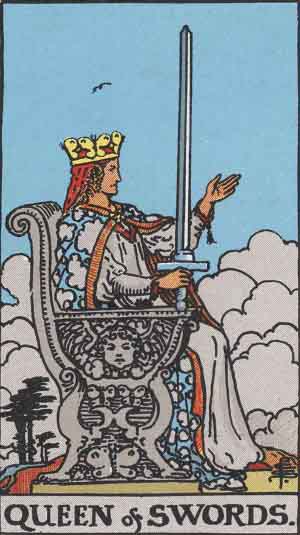
Perhaps you draw the Queen of Swords and decide that today is a good day to have an honest conversation you've been putting off.
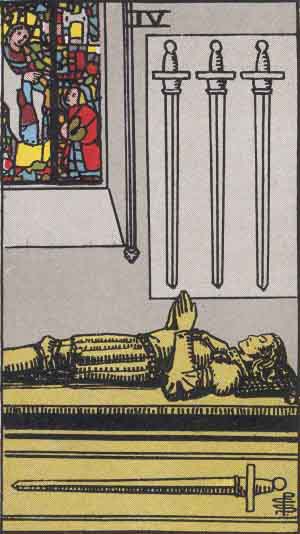
Perhaps you draw the Four of Swords and realise that you've been treating rest as a reward you must earn rather than a basic human need.
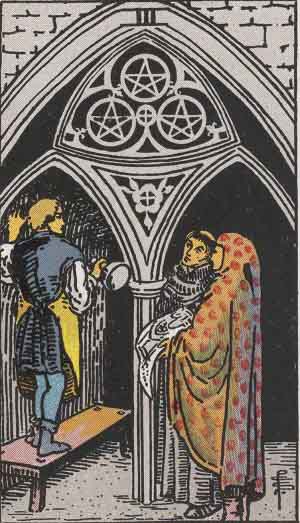
Perhaps you draw the Three of Pentacles and recognise that you don't have to do everything yourself. Asking for help might actually be the smartest move you make all week.
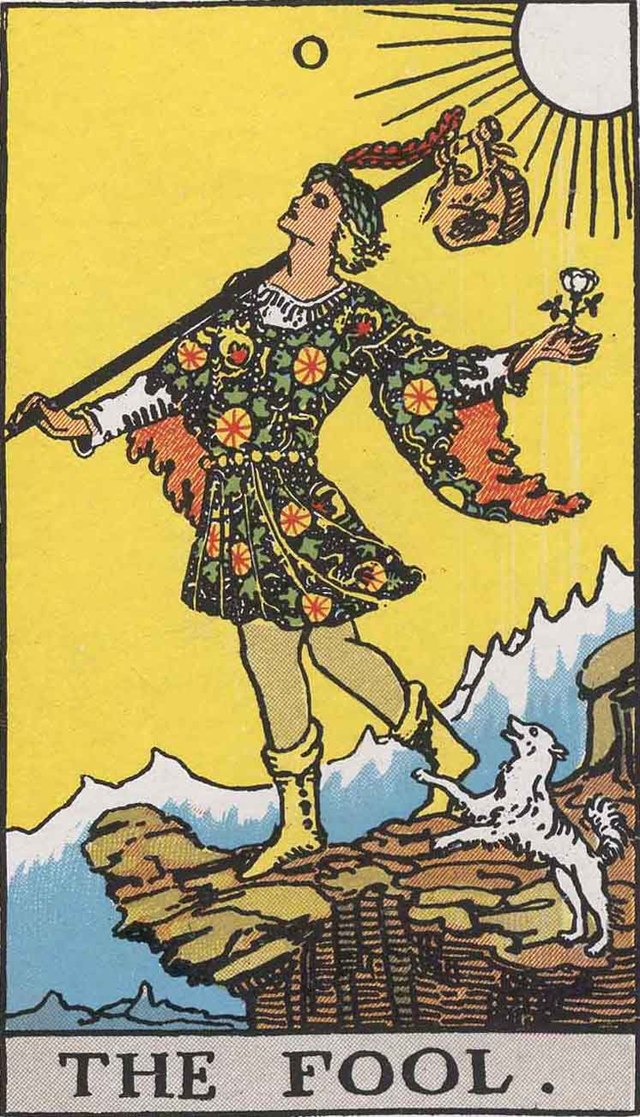
Or perhaps you draw the Fool and decide to approach something with a little more curiosity and a little less fear.
You don't have to believe that the card has predicted your day. Instead, allow it to offer you an idea to consider, a question to explore or a reminder you might otherwise have missed. Sometimes, the most useful insight isn't something you didn't know. It's something you knew perfectly well but hadn't stopped to think about. And that's a pretty valuable thing to have in your corner.
The More You Learn, the More You Discover
One of the lovely things about tarot is that you can enjoy it at almost any level. You can draw a single card each morning and use it as a prompt for reflection. You can learn enough to create simple spreads for yourself and explore particular areas of your life. You can start noticing connections between the cards, experimenting with different layouts and discovering how the same card can tell different stories depending on the circumstances.
And then, if your curiosity takes you further, there's a whole world waiting for you.
The history of tarot. The symbolism of the Major and Minor Arcana. The relationships between the suits, numbers and elements. Card combinations. The art of asking meaningful questions. Learning how to interpret a complete spread rather than treating each card as an isolated message. You begin to realise that there's a difference between memorising seventy-eight card meanings and actually learning to read tarot. One gives you information. The other teaches you how to work with that information.
And there's something wonderfully satisfying about that process. It's a little like learning a language. At first, you're concentrating on individual words. Eventually, you start recognising sentences, understanding context and expressing ideas of your own. You stop wondering whether you're getting everything right and begin developing your own understanding of how the cards communicate with you. You become more confident in your interpretations, more comfortable with uncertainty and more willing to explore the possibilities a reading presents. You may even discover that you enjoy the learning process as much as the readings themselves. And who knows where that might lead?
For some, tarot remains a personal practice. For others, it becomes a way to support friends and family. Some people eventually decide to study professionally and read for clients. There's no particular destination you have to reach. You can simply enjoy learning something new.
So, Do You Need to Learn Tarot?
No. You can absolutely continue booking readings whenever you feel you need guidance, clarity or a fresh perspective. That's what professional readings are there for, and there's real value in having someone outside your situation help you explore it.
But if you've ever watched a reading unfold and wondered how the cards fit together, how a particular interpretation came about, or how you might learn to do something similar yourself, perhaps it's worth paying attention to that curiosity. You don't have to turn it into a career. You don't have to become a professional reader. You don't even have to decide whether tarot is something you'll use every day. You can simply begin by exploring.
Because tarot isn't just about finding answers. It's about becoming more curious about the questions.
It's about recognising the patterns you keep repeating, considering perspectives you hadn't entertained and giving yourself permission to look at familiar situations through a different lens. It's about discovering that sometimes the insight you need isn't hiding somewhere in the distant future. Sometimes, it's sitting right in front of you.
You just haven't looked at it that way before.
And perhaps that's one of the most beautiful things tarot can offer us. Not a guarantee that life will unfold exactly as we hope, but an opportunity to understand ourselves a little better as we make our way through it.
Now I'm curious about something...
Have you ever thought about learning to read tarot yourself?
Perhaps you'd love to understand the cards I use in your readings. Perhaps you've bought a deck that has been sitting in a drawer because you have no idea where to start. Or perhaps you've always been fascinated by tarot but assumed you needed some special ability to make sense of it.
I'd love to hear your thoughts.
Because I have a feeling there are a few of you out there who might enjoy discovering just how much these seventy-eight cards have to teach us.
And who knows? We might just have something interesting to explore together.